Dry cleaning is one of the best ways to keep your garments looking sharp, fresh, and long lasting, especially when it comes to delicate fabrics or structured outfits like suits, gowns, and formal wear. But while most people simply drop their clothes off at the counter, proper preparation can make a significant difference in how well your garments are cleaned and cared for.
From identifying stains to removing accessories, a few simple steps can help ensure your clothes receive the gentle yet effective treatment they deserve. This guide walks you through exactly how to prepare clothes for dry cleaning so you get the best possible results every time.
1. Start by Reading the Care Label
Before you gather your items for dry cleaning, the first step is to check the care labels. These labels are there for a reason because they tell you exactly how the manufacturer recommends caring for the fabric.
Look for indicators such as:
- Dry Clean or Dry Clean Only
- Symbols suggesting special handling
- Warnings against washing, bleaching, or ironing
Some fabrics like wool, silk, linen, or embellished garments generally respond best to dry cleaning. Others may be dry clean recommended but still washable at home. Understanding the label helps you decide what actually needs professional care and prevents accidental damage from home laundering.
2. Inspect Your Garments Thoroughly
A quick but careful inspection of your clothing can save both you and your dry cleaner time, effort, and potential disappointment.
Check for Stains
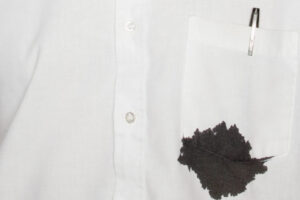
Identify any spots or stains before sending your item in. Even if a stain appears faint or old, it is important to alert your cleaner. Professional cleaners use targeted treatments based on the type of stain, so let them know what caused it such as wine, oil, makeup, sweat, food, or ink.
Sharing the origin of a stain increases the chances of it being fully removed without damaging the fabric.
Look for Damage
Check for:
- Loose threads
- Missing or loose buttons
- Broken zippers
- Small tears or snags
When these issues go unnoticed, they may worsen during the cleaning process. Some dry cleaners also offer minor repair services. If so, hand over the garment with a note. Otherwise, at least point out the defects so they can handle the item more carefully.
3. Empty All Pockets
It is easy to forget items tucked away in pockets, but leaving them inside can be risky. Coins can damage machines or tear delicate fabrics, while pens and lipsticks can leak and ruin not just your garment but others in the same batch.
Before handing over your clothes:
- Remove tissues, receipts, coins, and keys
- Take out electronics, earbuds, or accessories
- Check both inner and outer pockets thoroughly
A quick pocket sweep prevents mishaps and ensures your garment gets safely and thoroughly cleaned.
4. Remove Any Non Permanent Accessories
Belts, jewelry, detachable buttons, brooches, name tags, and even delicate decorative pieces should be removed before dropping your items off.
These elements may:
- Tarnish or discolor
- Get caught in machinery
- Break or scratch the garment
Even if they look secure, removing accessories protects both the garment and the accessory itself.
If something cannot be removed, such as sewn in embellishments, let your cleaner know so they can adjust their cleaning method accordingly.
5. Pre Sort Your Items
While your dry cleaner will ultimately sort items on their end, pre sorting can help you communicate specific instructions and ensure that delicate garments receive the right attention.
Sort by:
- Fabric type such as silk, wool, chiffon, linen
- Garment category such as suits, dresses, trousers, outerwear
- Level of delicacy or embellishment
You do not have to go overboard. Just group items in a way that makes it easy for you to describe any special concerns.
6. Highlight Special Instructions
Your dry cleaner appreciates clarity. If there are specific areas that need extra attention, be sure to point them out.
Common examples include:
- Stains on collars, elbows, cuffs, or linings
- Odors from sweat, food, or smoke
- Loose stitching around delicate areas
- Sensitive fabrics that are prone to shrinking or fading
If a garment has previously reacted poorly to cleaning, such as fading or distortion, mention that too. The more information your cleaner has, the better they can tailor their process.
7. Pack Your Clothes Properly Before Drop Off
While most dry cleaners accept garments in any reasonable condition, packing them well keeps them protected until they reach the cleaner.
Here are some easy tips:
- Use a breathable garment bag if transporting delicate or formal pieces
- Avoid plastic bags which trap moisture
- Do not overstuff bags because every item needs some breathing room
- Fold sweaters or knits gently to avoid stretching
- Hang structured pieces such as blazers or dresses
A little care in packing prevents wrinkles, fabric distortion, and accidental snags.
8. Communicate Clearly With Your Dry Cleaner
The final step, and an important one, is to have a quick conversation with your cleaner when you drop off your garments. No one knows your clothes better than you do, and sharing the right information helps ensure better care.
What to communicate:
- The source of each stain
- Any areas requiring special care
- Whether you need repairs or alterations
- Time constraints or deadlines
- Any fragrance or chemical sensitivities
Good communication builds trust and ensures your expectations are met every time.
Conclusion: A Little Preparation Goes a Long Way
Preparing your clothes for dry cleaning may seem like a small task, but it can dramatically improve the outcome. Reading care labels, inspecting garments, removing accessories, and speaking with your cleaner ensures your items are cleaned thoroughly and safely.
These steps not only help your clothes look their best but also extend their lifespan, making dry cleaning an even more valuable investment in your wardrobe.
The next time you are getting your garments professionally cleaned, follow this simple checklist. Your clothes and your dry cleaner will appreciate it.