Clothes alteration services are temporarily unavailable at all locations.

How to Remove Ink Stains from Clothes: A Complete Guide for Different Fabrics and Ink Types
- By White's Laundry
- 10 June 2026
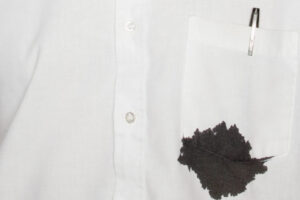
Few clothing mishaps are as frustrating as discovering an ink stain on your favorite shirt, dress, or pair of trousers. Whether it’s a leaking pen in your pocket, a marker accident, or a child getting creative with a ballpoint pen, ink stains can seem impossible to remove.
The good news is that many ink stains can be treated successfully at home if you act quickly and use the right cleaning method. Different types of ink respond differently to stain removal techniques, and fabric type also plays an important role in determining the best approach.
In this guide, we’ll explain how to remove ink stains from clothes, what mistakes to avoid, and when it may be best to seek professional cleaning assistance.
Understanding Ink Stains Before You Treat Them
Not all ink stains are the same. The type of ink affects how easily it can be removed.
Common Types of Ink
Ballpoint Pen Ink: Ballpoint ink is oil-based and tends to cling tightly to fabric fibers, making it one of the more challenging stains to remove.
Gel Pen Ink: Gel inks contain pigments suspended in a water-based gel. They can spread quickly and may require multiple treatments.
Fountain Pen Ink: Most fountain pen inks are water-based and are often easier to remove than ballpoint or permanent inks.
Permanent Marker Ink: As the name suggests, permanent marker ink is designed to resist fading and removal, making it the most difficult type of ink stain to treat.
Because ink contains dyes and pigments that penetrate fabric fibers, acting quickly can significantly improve your chances of complete stain removal.
First Steps to Take When You Notice an Ink Stain
Before reaching for a stain remover, take a few important steps.
Blot, Don’t Rub
Use a clean cloth or paper towel to gently blot the stain. Rubbing can push the ink deeper into the fabric and spread it further.
Protect the Other Side of the Fabric
Place a paper towel or clean cloth underneath the stained area. This helps absorb ink as it lifts from the fabric during treatment.
Test Cleaning Products First
Always test rubbing alcohol, stain removers, or detergents on an inconspicuous area of the garment to ensure they won’t cause discoloration.
Avoid Heat
Do not use hot water or place the garment in a dryer before the stain is fully removed. Heat can permanently set the stain into the fibers.
How to Remove Ballpoint Pen Ink from Clothes
Ballpoint ink is one of the most common clothing stains and often responds well to alcohol-based treatments.
Method 1: Rubbing Alcohol
- Place a paper towel beneath the stained area.
- Apply a small amount of rubbing alcohol to a cotton ball or clean cloth.
- Gently dab the stain, working from the outside toward the center.
- Continue blotting until the ink begins transferring to the paper towel.
- Rinse with cold water.
- Wash according to the garment care instructions.
The alcohol helps dissolve the oils in the ink, making it easier to lift from the fabric.
Method 2: Hand Sanitizer
If rubbing alcohol isn’t available, an alcohol-based hand sanitizer may work as an alternative.
- Apply a small amount directly to the stain.
- Allow it to sit for a few minutes.
- Blot gently with a clean cloth.
- Rinse thoroughly and wash as normal.
Repeat the process if necessary before drying the garment.
How to Remove Water-Based Ink Stains
Water-based inks are generally easier to remove, especially when treated promptly.
Cleaning Process
- Hold the stained area under cold running water.
- Apply a small amount of liquid laundry detergent directly to the stain.
- Gently work the detergent into the fabric.
- Let it sit for 5–10 minutes.
- Wash according to the garment’s care label.
For stubborn stains, soaking the garment in cold water before washing may improve results.
Always inspect the stain after washing. If any ink remains, repeat the treatment before drying.
Removing Permanent Marker and Tough Ink Stains
Permanent marker stains require patience and often multiple treatment attempts.
Alcohol-based products are usually the most effective household solution. Apply rubbing alcohol to the stain and blot repeatedly until the ink begins to lift.
However, aggressive stain removal methods can damage certain fabrics. If the garment is valuable, delicate, or sentimental, proceed with caution.
It’s also important to understand that some permanent marker stains may fade significantly rather than disappear completely.
Ink Stain Removal by Fabric Type
Different fabrics react differently to cleaning products.
Cotton
Cotton is generally durable and responds well to most stain removal methods. Alcohol-based treatments and detergents are usually safe when used properly.
Polyester
Polyester is relatively stain-resistant and often responds well to rubbing alcohol and commercial stain removers.
Denim
Denim’s thicker fibers can trap ink, requiring multiple treatment cycles before the stain is fully removed.
Silk and Wool
These delicate fabrics require special care. Many household stain removal methods can cause discoloration, shrinkage, or fiber damage.
For silk, wool, cashmere, or other delicate materials, professional cleaning is often the safest option.
When Home Remedies Aren’t Enough
While many ink stains can be removed at home, some situations call for expert assistance.
Consider professional cleaning if:
- The stain has been present for a long time.
- The garment has already been dried after staining.
- The fabric is silk, wool, linen, or another delicate material.
- The item is expensive or has sentimental value.
- The stain was caused by permanent marker or industrial ink.
Professional cleaners have access to specialized stain-removal techniques and products that may be more effective than standard household remedies while minimizing the risk of fabric damage.
If you’re unsure about treating a valuable garment yourself, consulting a professional dry cleaning service can help avoid making the stain worse.
Tips to Prevent Future Ink Stains
Preventing ink stains is often easier than removing them.
Here are a few simple habits that can help:
- Check all pockets before washing clothes.
- Store pens with caps securely attached.
- Keep markers and writing supplies away from delicate fabrics.
- Use pen cases when carrying pens in bags or briefcases.
- Inspect school uniforms and work clothing regularly for accidental ink marks.
A few extra seconds of prevention can save considerable time and effort later.
Conclusion
Ink stains may seem intimidating, but many can be removed successfully with prompt action and the right cleaning method. Understanding the type of ink involved and choosing an appropriate treatment for the fabric can greatly improve your chances of restoring your clothing.
Remember to blot rather than rub, avoid heat until the stain is gone, and always test cleaning products before use. While home remedies are effective for many fresh stains, delicate fabrics and stubborn ink marks may benefit from professional cleaning expertise.
By acting quickly and following proper stain-removal techniques, you can keep your clothes looking their best and extend the life of your favorite garments.
Frequently Asked Questions
Can ink stains be removed after drying?
Yes, but they are generally more difficult to remove once they have been exposed to dryer heat. Multiple treatments may be required.
Should I use hot or cold water on an ink stain?
Cold water is usually recommended. Hot water can set the stain and make removal more difficult.
Does vinegar remove ink stains?
Vinegar may help with some stains, but alcohol-based treatments are often more effective for ink removal.
Can toothpaste remove ink stains?
Some people use non-gel toothpaste as a stain treatment, but results vary. Proven stain-removal methods are generally more reliable.
What should I do if the stain doesn’t come out?
Avoid drying the garment and repeat the treatment. If the stain persists, consider consulting a professional cleaner.